

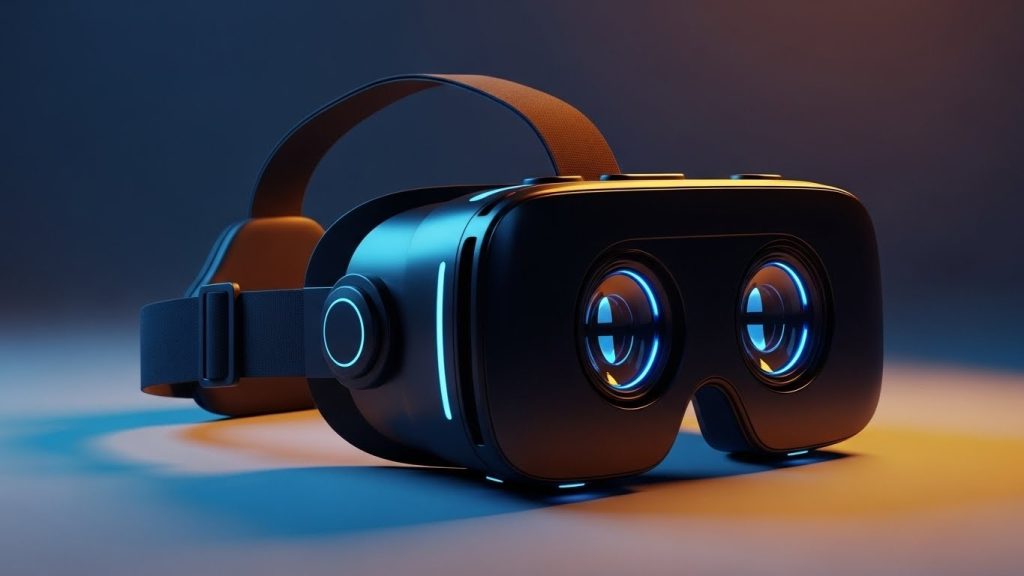
Ever wonder why your Quest headset suddenly feels lighter and tracks like a dream after years of clunky prototypes? It’s not just Meta throwing money at gamers. The dirty little secret? A lot of those “must-have” improvements come straight from users who spend hours in VR for very adult reasons—and they bail the second something feels off.
The Unsung Role of Niche Demands in VR Progress
Big flashy demos grab headlines, but real evolution happens in the trenches. When a niche market pays premium prices and expects zero bullshit, manufacturers deliver. Adult VR is one of those unforgiving trenches.
Adult Content: The Ultimate Stress Test
Let’s be real—nobody wants a headache or drifting controllers when they’re deep in a private VR session. Comfort is everything. Headsets that dig into your face or overheat after 20 minutes? Instant turn-off. That’s why platforms like SexLikeReal have pushed hard for lighter designs, better weight distribution, and rock-solid tracking.
Think about it: in close-up interactive scenes, floating hands or latency ruins the illusion fast. Creators demand precise hand presence and low-jitter calibration. Those fixes don’t stay in the adult silo—they migrate to mainstream APIs and benefit everyone from surgeons to flight simulators.
Streaming quality matters too. Adult users expect crisp 8K playback with minimal artifacts and steady frame pacing. The encoding tricks developed for high-bitrate VR porn now make remote play and cloud gaming feel smoother across the board.
Healthcare’s Relentless Reliability Requirements
Hospitals aren’t messing around. When 69% of healthcare execs plan VR investments for training and therapy, they’re writing checks for systems that just work—no glitches, no downtime.
Surgeons rehearse complex procedures repeatedly in VR, relying on pinpoint hand tracking and detailed haptics to flag mistakes. That pressure has driven stronger controllers and finer feedback loops you now feel in consumer devices.
VR therapy isn’t a gimmick—it’s delivering real results that demand bulletproof UX.
– Industry observations on clinical adoption
Therapy and Mental Health: Zero Tolerance for Friction
Try treating social anxiety or PTSD when the patient is fighting a confusing menu. Doesn’t happen. Studies like Oxford VR’s trials showing massive reductions in symptoms force developers to prioritize calm interfaces, quick exits, and adjustable intensity.
Those “boring” UX improvements—clear prompts, session pausing, easy note export—raise the bar for every wellness and education app out there.
Training and Education: Repeatability Rules
Military sims, university labs, corporate onboarding—they all need scenarios that replay perfectly, sync across multiple users, and map spaces accurately. Buy ten headsets for a classroom? You expect enterprise management tools and shared accounts.
Guess what: those features are now baked into consumer ecosystems like Meta Quest because niche buyers demanded them first.
What Trickles Down to Your Daily Headset
All these niches scream the same thing: less friction, more reliability. Over time, we get:
- Lighter, better-balanced headsets for marathon sessions
- Tracking that holds steady in low light or tight spaces
- Crisp streaming with barely-there latency
- Intuitive safety features and comfort modes
- Setup that doesn’t waste ten minutes of your life
These upgrades rarely make the keynote slides. But they decide whether people actually use VR daily—or shove the headset back in the box.
Bottom line: niche markets, including the adult sector that nobody talks about at conferences, keep VR honest. They fund the gritty fixes that turn promising tech into something you actually want to wear. Next time your session feels flawless, thank the demanding users who wouldn’t settle for less.